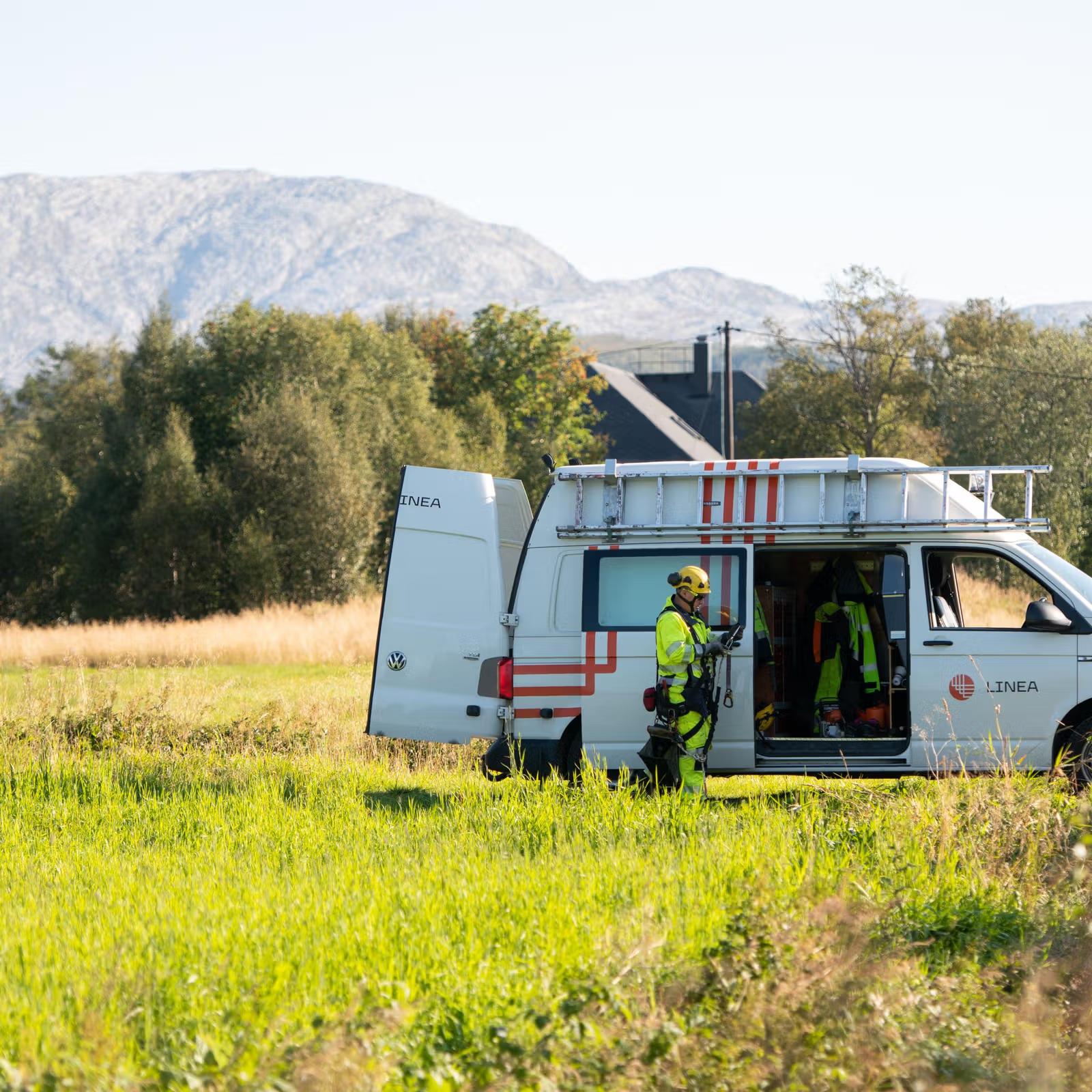
Linea
Building digital infrastructure for the future of Helgeland's energy network
Project details
From September 2023 to May 2026, as part of my role at OXX/Umain, I worked on Linea's digital platform, helping deliver modern digital services for customers across Helgeland. The solution shared a common codebase with Tensio while operating as an independent deployment with its own integrations, content, and operational requirements. What began as a collaborative effort within a team of five developers eventually evolved into full technical ownership of the platform's ongoing development, maintenance, and feature delivery.
Linea plays a critical role in delivering electricity across Helgeland and supporting the region's ongoing electrification efforts. The platform needed to provide customers with reliable access to self-service functionality, outage information, customer support resources, and operational communication while integrating seamlessly with existing enterprise systems.
The solution combined a public website, a customer portal authenticated through ID-porten, and a custom-built content management platform used by internal teams to manage content and operational workflows.
Technologies

Platform Ownership
Over the course of nearly three years, I evolved from being part of a five-person development team to becoming the primary engineer responsible for the platform's ongoing development and maintenance.
My work spanned the entire digital ecosystem, including the public website, customer portal, backend services, and internal content management tools. I was responsible for developing new features, maintaining critical infrastructure, integrating with internal business systems, and ensuring the platform remained reliable, accessible, and scalable as it continued to grow.
A significant part of the project involved building and maintaining integrations with ID-porten and Linea's internal APIs, enabling secure access to customer services and operational data. Alongside this, I designed and developed custom functionality within Sanity CMS, creating tools that allowed internal teams to manage workflows, customer communication, analytics, and operational processes independently.
As the platform matured, I took ownership of technical decisions, long-term maintenance, platform stability, and feature delivery. Although Linea and Tensio were deployed as separate solutions, both organizations shared a common codebase, requiring a balance between reusable platform architecture and company-specific requirements.
Custom CMS Solutions
To support operational teams, I designed and implemented several custom tools inside Sanity CMS. These tools allowed non-technical teams to manage operational processes without requiring developer involvement and became a core part of the organization's daily workflow.
Throughout the project, I maintained a close relationship with a dedicated customer representative from Sanity, participating in regular check-ins and technical discussions around platform architecture, content modeling, and best practices. This collaboration helped ensure that the CMS solutions were built in a scalable, maintainable way while making the most of Sanity's capabilities.
The result was a set of tailored tools that empowered internal teams to manage content, workflows, customer communication, and operational processes independently while reducing the need for ongoing developer support.
Accessibility & Inclusive Design
Accessibility was treated as a fundamental requirement throughout the project rather than a post-launch compliance task.
As part of the development process, I participated in accessibility workshops organized by Designit, where individuals with various disabilities shared how they interact with digital services and the challenges they encounter in everyday use.
These sessions provided firsthand insight into accessibility barriers and helped shape development decisions across both the public website and customer portal.
Working closely with designers and stakeholders, I translated these learnings into practical implementations. This experience reinforced the importance of designing for real users and helped ensure the platform was accessible to as many customers as possible.
My work included implementing WCAG-compliant interfaces, improving keyboard navigation and focus management, supporting screen reader compatibility, ensuring accessible forms and customer workflows, collaborating with designers to validate accessibility requirements, and testing features against real-world accessibility feedback.
Search Engine Optimization
I worked closely with content and design teams to ensure the platform was built with strong technical SEO foundations while maintaining performance and accessibility standards.
The goal was to ensure customers could easily find important information such as outages, self-service resources, service requests, and customer support information through search engines.
Areas of focus included semantic HTML structure, structured metadata, performance optimization, server-side rendering with Next.js, accessible content hierarchy, technical SEO best practices, and search engine discoverability for key customer services.
“Thank you very much for the great collaboration. You have been highly skilled and a pleasure to work with.”
Anna Suhodolova
Head of Digital Channels | Linea

Media
The following screenshots showcase key parts of the platform I developed and maintained between 2023 and 2026. The project consisted of a public website, a customer portal integrated with ID-porten, and a collection of custom-built operational tools used by internal teams.
My responsibilities ranged from frontend and backend development to API integrations, accessibility implementation, CMS tooling, and long-term platform ownership. These examples highlight some of the customer-facing experiences and business-critical functionality delivered across the platform.
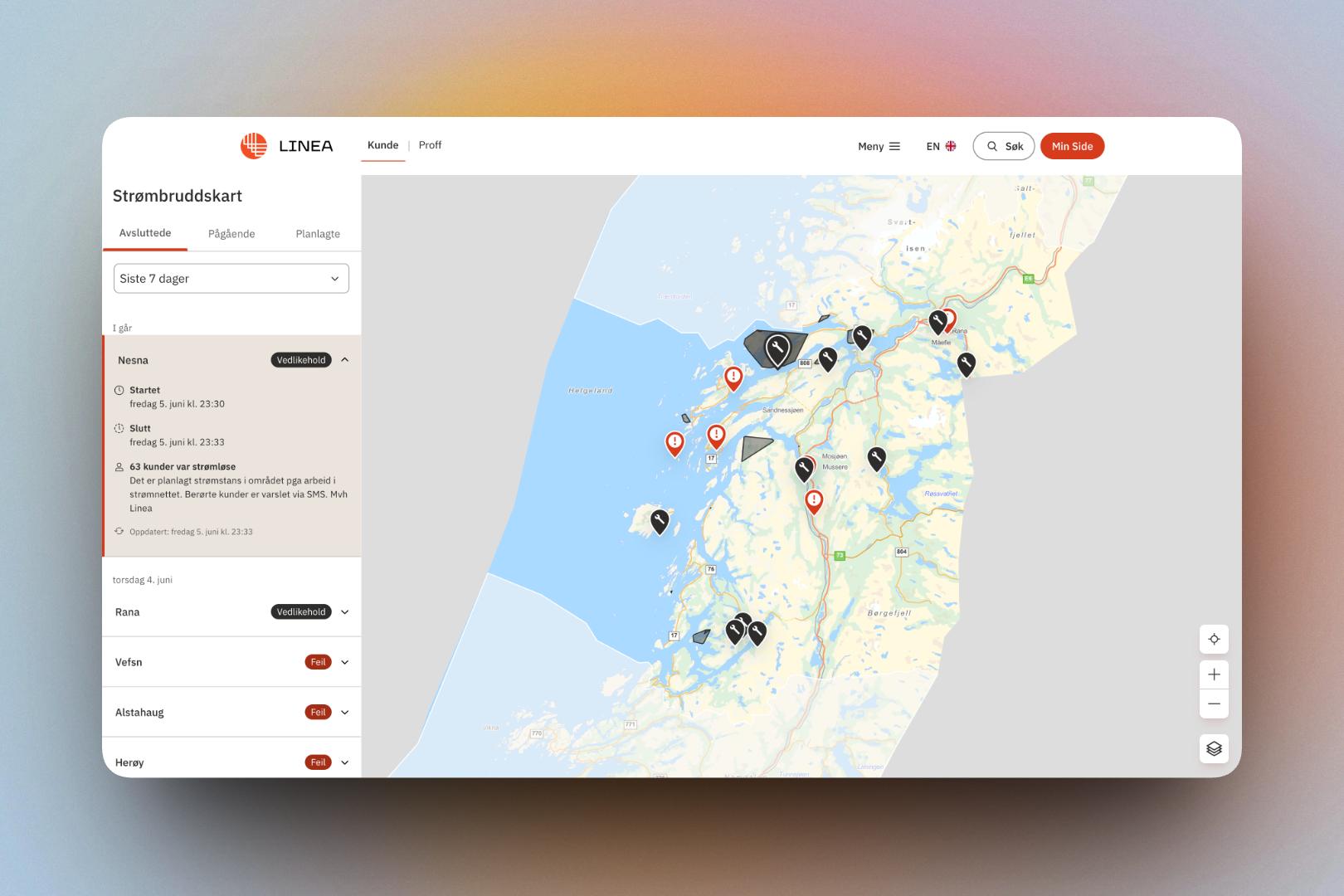
Power outage map
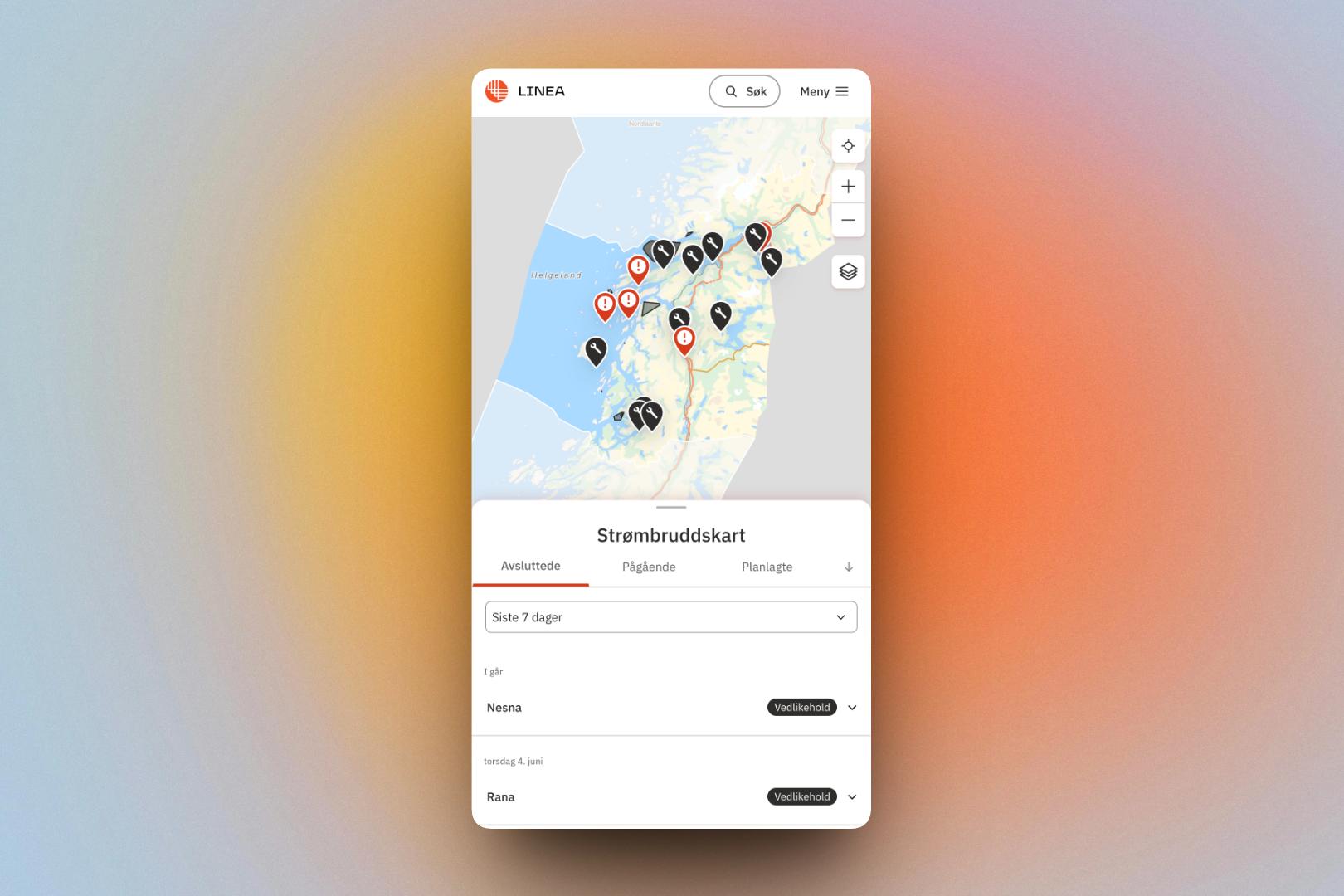
One of the most significant features I delivered was Tensio's outage map. Following previous outage events, reliable communication became a critical requirement for the organization. Working from designs provided by Designit, I implemented the complete frontend experience, backend services, API integrations, and operational logic powering the map.
The solution consumes outage data from external systems and presents it in a format that allows customers to quickly understand the scope and status of ongoing incidents.
Customer Portal
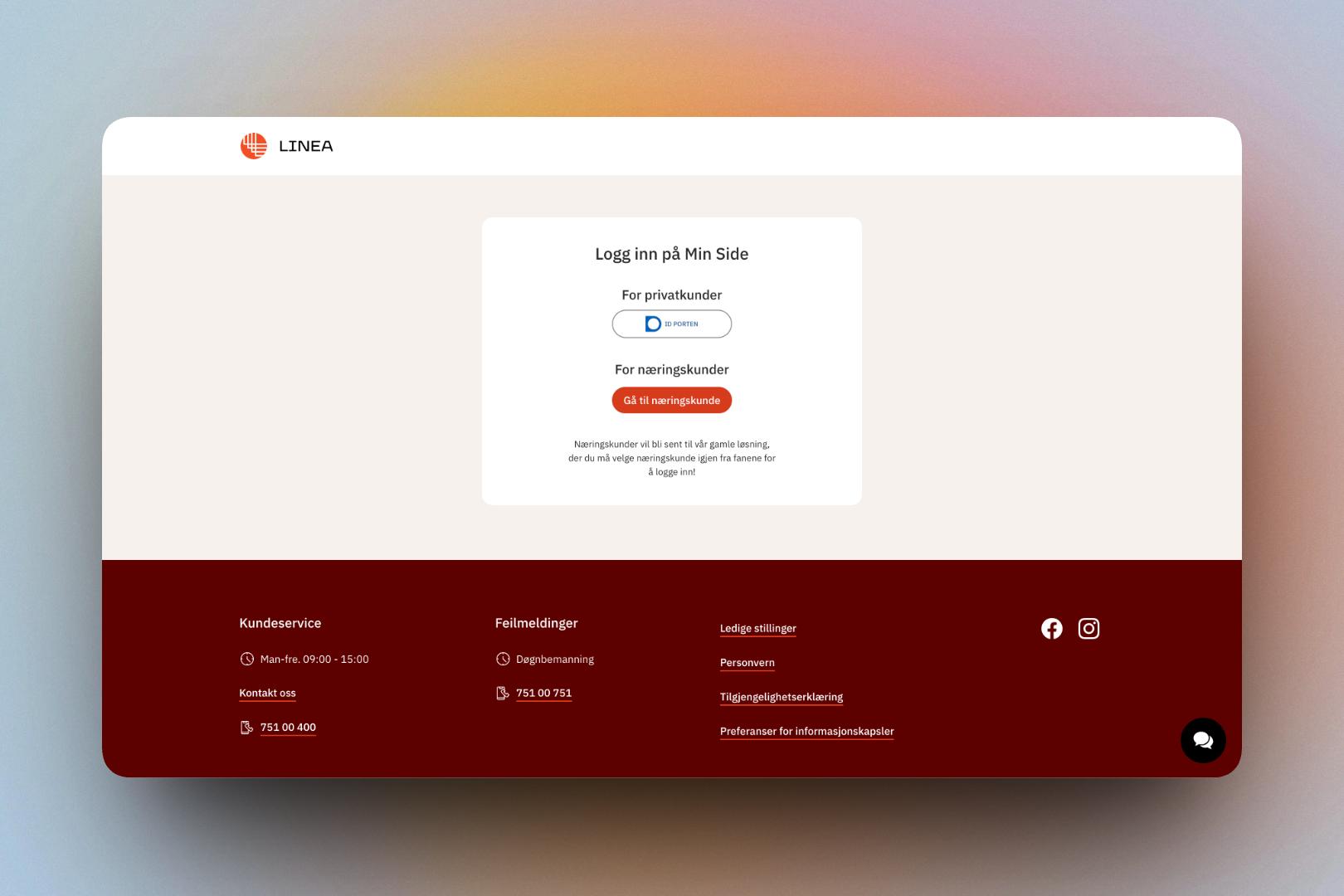
The customer portal serves as the central hub for customers interacting with the company digitally. Secure authentication through ID-porten provides access to personalized information, self-service functionality, and services connected to the company's internal systems.
I was responsible for developing and maintaining large parts of the portal, including frontend experiences, backend services, API integrations, and authentication flows. The platform was designed with a strong focus on accessibility, reliability, and ease of use, ensuring customers could access important information and services whenever they needed them.
As the platform evolved, the portal became a key component of the company's digital strategy, helping reduce manual administration while improving the overall customer experience.
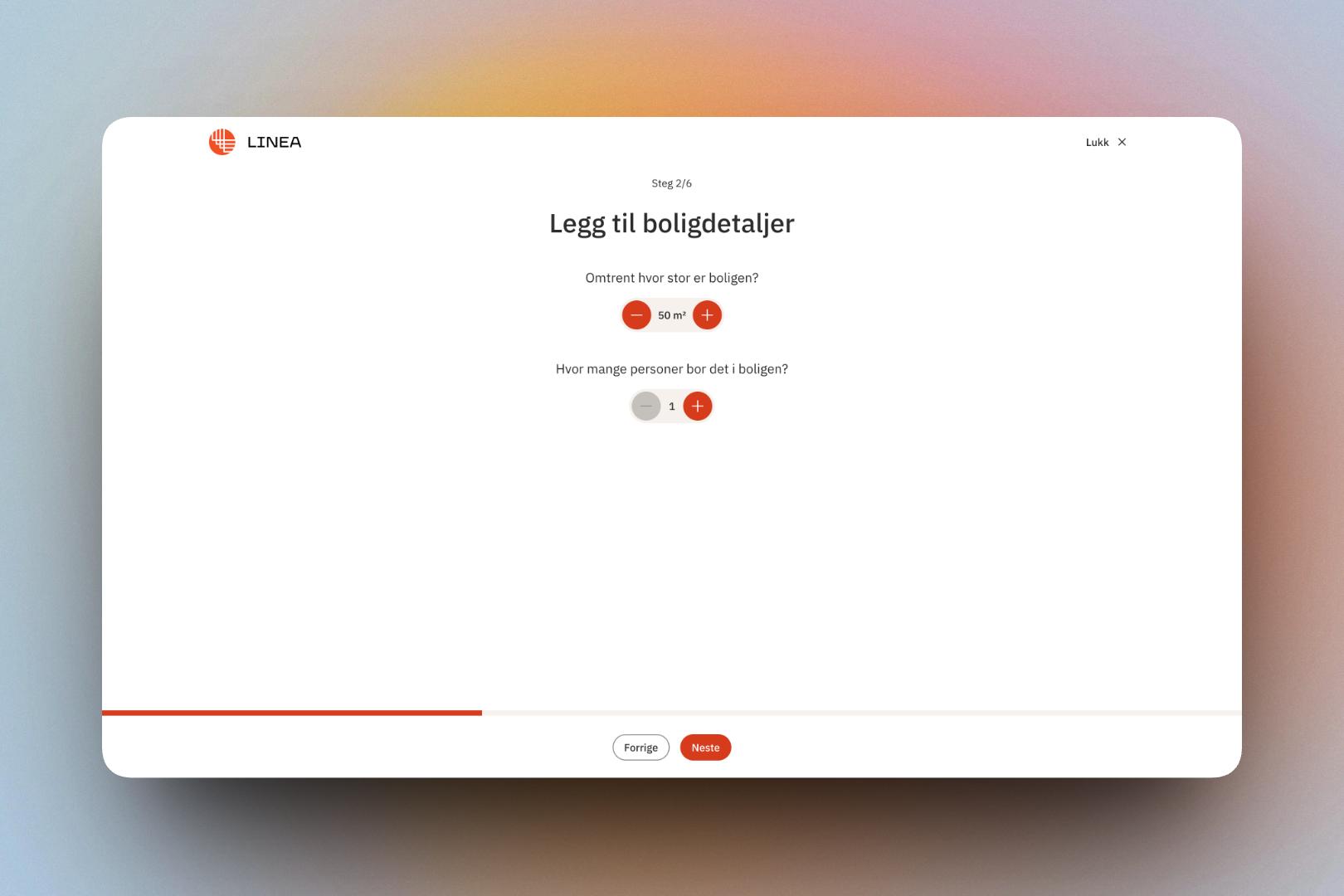
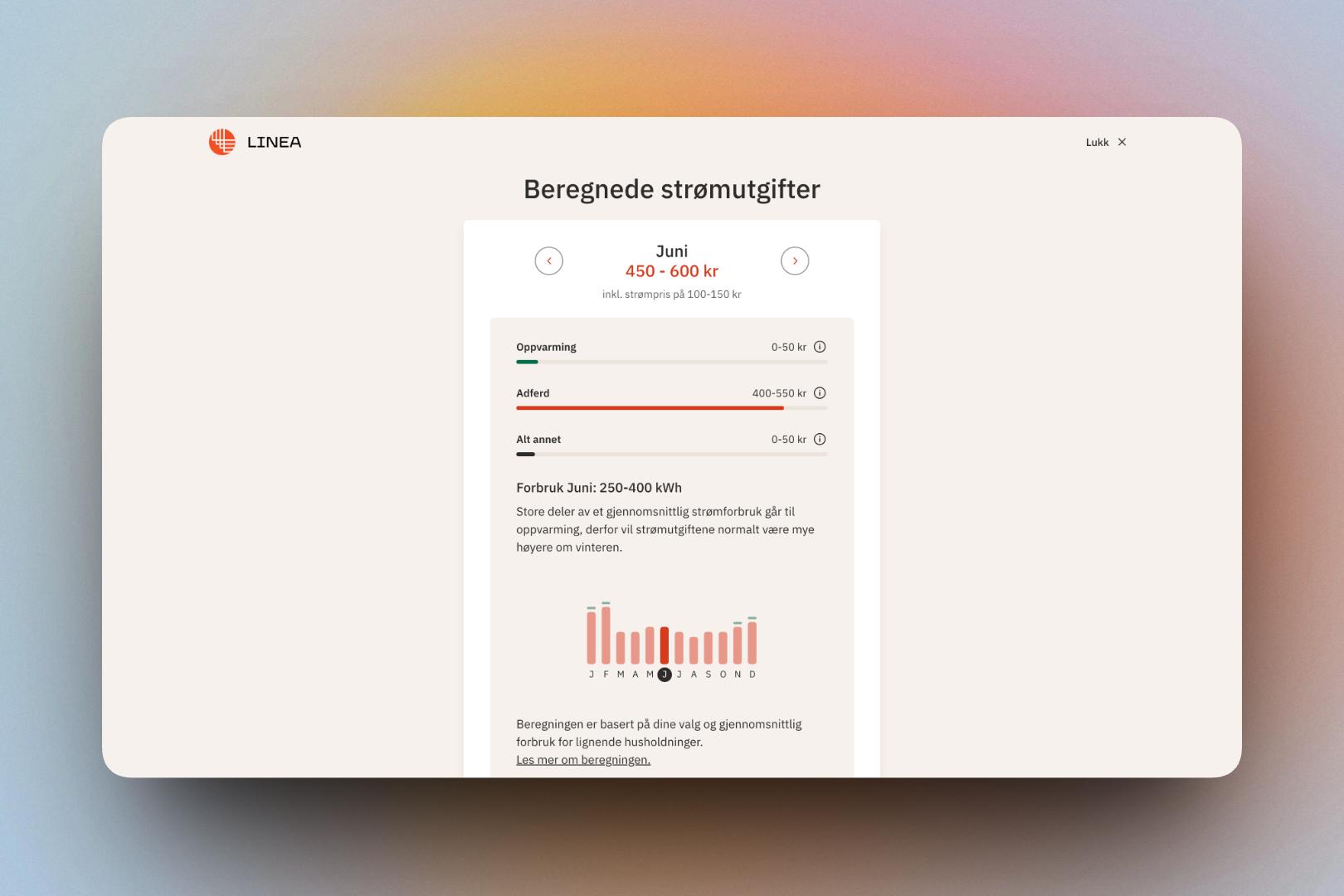
Consumption Calculator
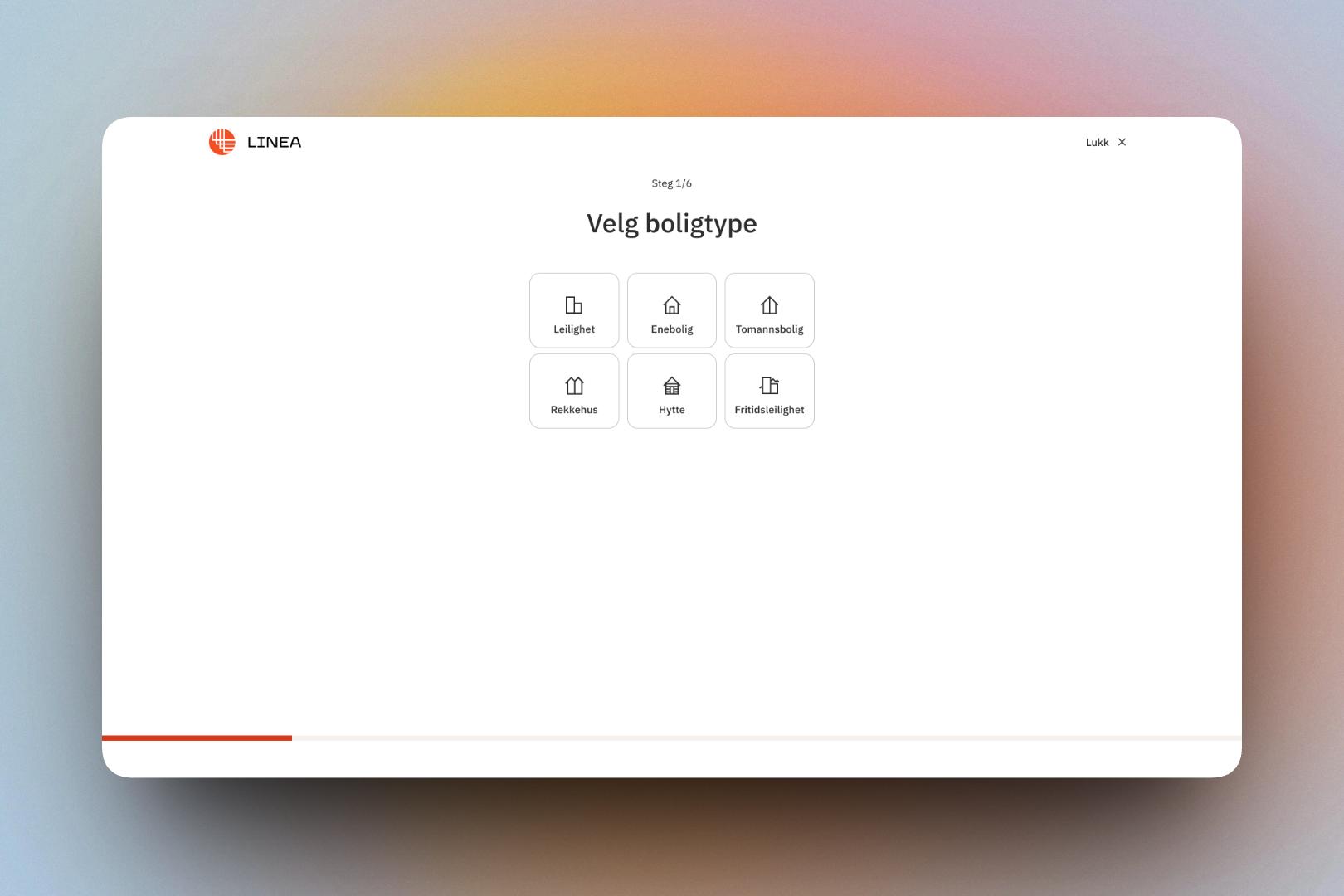
The consumption calculator was designed to help customers better understand their electricity usage and make informed decisions based on their consumption patterns.
Built as an interactive self-service tool, the calculator combines customer input with business logic and external data sources to provide clear, actionable insights. Particular attention was given to usability, accessibility, and performance to ensure the experience remained intuitive for a wide range of users.
The solution was implemented as part of the broader customer platform and integrated seamlessly with the existing user experience and design system.
Other related cases